Whale Watching in Hermanus
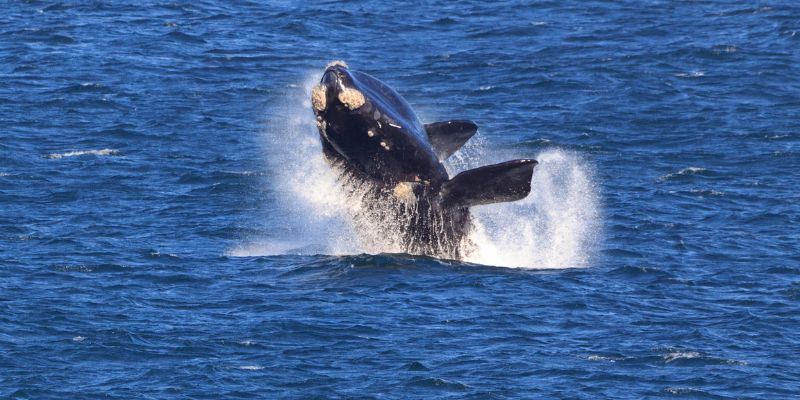
Hermanus is regarded as the whale watching capital of South Africa. By Land - By Boat - By Air

Hermanus is regarded as the whale watching capital of South Africa. By Land - By Boat - By Air
The Old Harbour Open-Air Museum is a provincial heritage site. It is unique in that apparently it is one of only two fishing harbours in the world that has been conserved in tact.
meanders for almost 11 kilometres along the coast from the New Harbour in the west to the estuary at the mouth of the Klein River in the east.
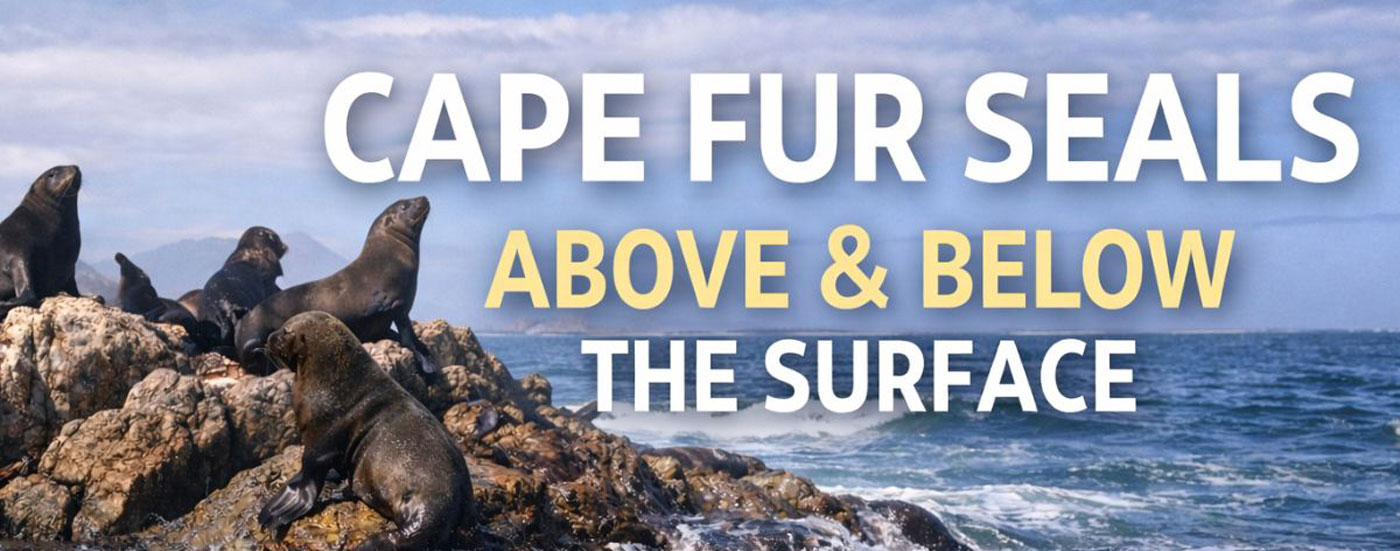
Dive beneath the surface with Jaydee Media as we witness the playful, erratic, and beautiful world of the Cape Fur Seal.
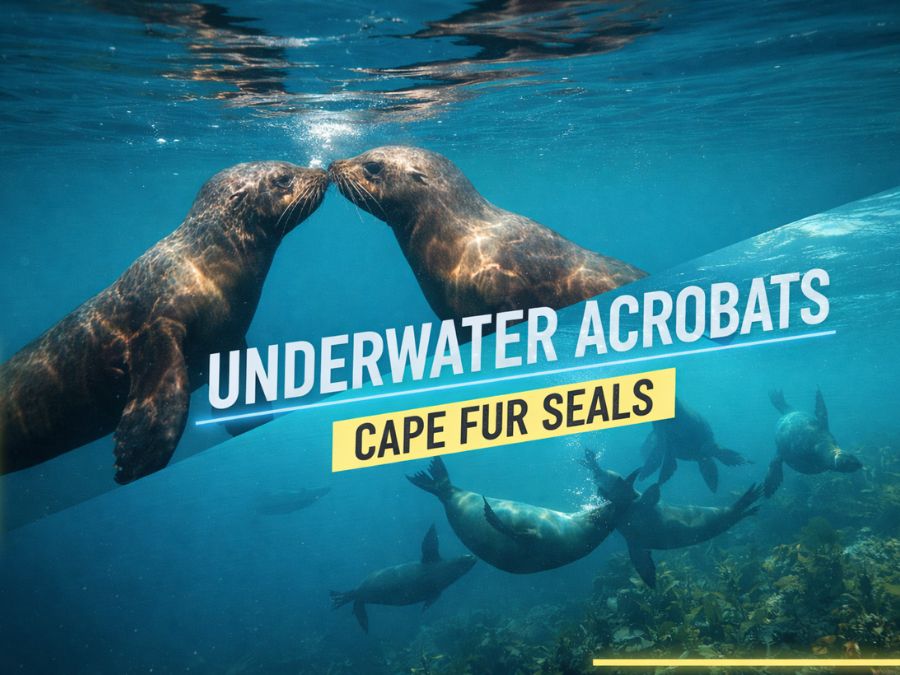
Are you ready to dive into the vibrant marine world of South Africa? Get up close and personal with one of its most charismatic residents: the Cape Fur Seal. At Jaydee Media, we’re passionate about bringing you the untold stories of our oceans, and these "underwater acrobats" certainly have a tale to tell!
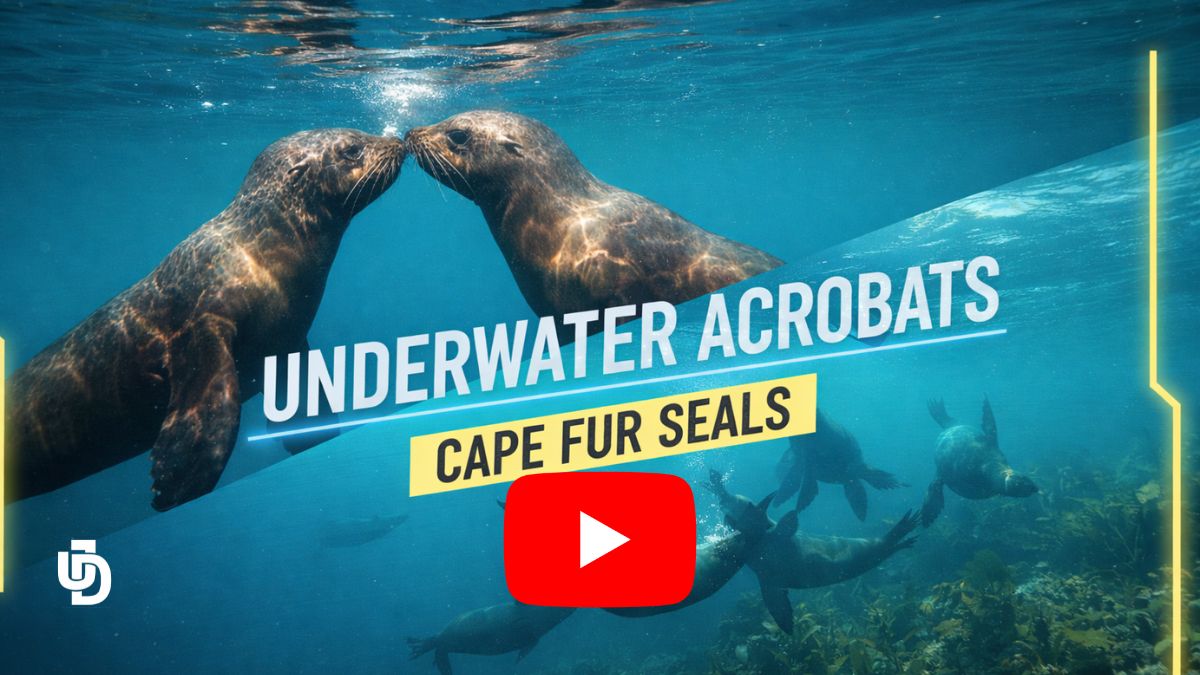
The Cape Fur Seal (Arctocephalus pusillus pusillus) is a subspecies of the brown fur seal, primarily found along the coastlines of Southern Africa, particularly South Africa and Namibia. They are easily recognizable by their sleek, dark grey to brown fur, prominent external ear flaps, and their incredibly agile movements both on land and in the water. Often seen basking on rocky outcrops or playfully frolicking in the waves, they are a true delight for wildlife enthusiasts.
If you're asking, "Where are the best places to see Cape Fur Seals in South Africa?" the answer is plentiful! Key hotspots include:
Hermanus: A prime location, especially famous for its whale watching, but also home to thriving seal colonies.
Cape Point & Boulders Beach (Simon's Town): While Boulders is known for penguins, the broader False Bay area and Cape Point coastline are frequently visited by seals.
Duiker Island (Hout Bay): A massive colony accessible by boat trips from Hout Bay.
Lambert's Bay: Further up the West Coast, another significant seal island.
Robberg Nature Reserve (Plettenberg Bay): Home to a large and accessible seal colony along the Garden Route.
Many of these locations offer boat tours, giving you a chance to witness these amazing creatures in their natural habitat – truly an unforgettable experience!
These fascinating pinnipeds play a crucial role in the marine food web. As opportunistic predators, their diet mainly consists of fish (like pilchards and anchovies), squid, and crustaceans. By consuming these species, they help regulate fish populations and maintain the delicate balance of the ocean ecosystem. They are indicators of ocean health; a thriving seal colony often points to a healthy marine environment.
When someone asks, "Hey Google, what do Cape Fur Seals eat?" the answer is varied! Their diet primarily consists of:
Fish: Especially pelagic species like pilchards, anchovies, and hake.
Squid & Octopus: A favourite treat!
Crustaceans: Including crabs and other shellfish.
Occasionally, they are known to be opportunistic and may sometimes prey on seabirds, especially around breeding colonies.
Call us and schedule your listing today! Contact Us
in and around Hermanus
With countless Southern Right Whales gathering along the Whale coast every year to mate and to calve
One for the Bucket list
Experience the exceptional and come face to face with a great white shark! Gansbaai also known as Shark Alley…
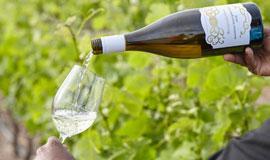
4 x Wine Routes
Hermanus is surrounded by 4 Wine routes, the Hermanus - (Hemel-and-Aarde); Stanford -, Elim - and Botriver Wine Route
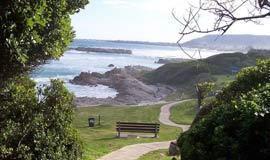
in the Cape whale Coast
Hermanus is a spectacular seaside town with winding cliff paths, sloping green mountains, and deep blue waters.
JOIN OUR HERMANUS ONLINE COMMUNITY


Copyright © 2026 Hermanus Online Magazine. Web Development by Jaydee media.